-

Cheesecake alla modenese – La ricetta della settimana
-

The shelfie: Valerio Massimo Visintin
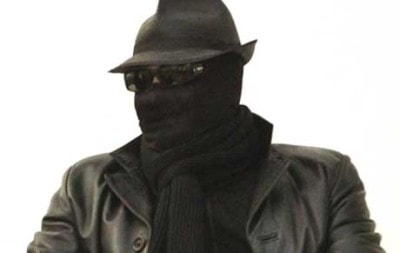
If a library is a mirror of a personality, then a photograph of a shelf is a sort of selfie. In that spirit we bring you the shelfie: a series of self-portraits with books. We’re kicking off the series with Valerio Massimo Visintin, the (ever icognito) gastronomic critic for the Corriere della Sera, author of the guide Pappa Milano, the novel L’ombra del cuoco e the unforgettable , Osti sull’orlo di una crisi di nervi.
-
Lo shelfie – Valerio Massimo Visintin
I libri possono essere uno specchio della personalità? Lo scatto dello scaffale vale come selfie. Allora vi presentiamo lo shelfie: la rubrica che offre un (auto)ritratto attraverso la propria biblioteca.
Inauguriamo la serie esplorando gli scaffali di Valerio Massimo Visintin, critico gastronomico (in incognito) per il Corriere della Sera, autore della nota guida Pappa Milano, il romanzo L’ombra del cuoco e l’indimenticabile, Osti sull’orlo di una crisi di nervi. -

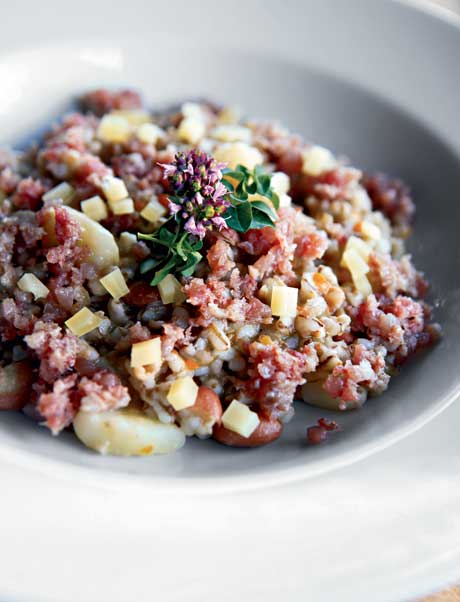
Orzotto con latteria giovane e cotechino sbriciolato – ricetta della settimana
Ricetta di Maurizio Vaninetti – Osteria del Crotto – Morbegno (SO)
tratta dal libro Cucina di montagna – Le Alpi Centrali
a cura di Paolo Marchi
Foto di Stefania Sainaghi -

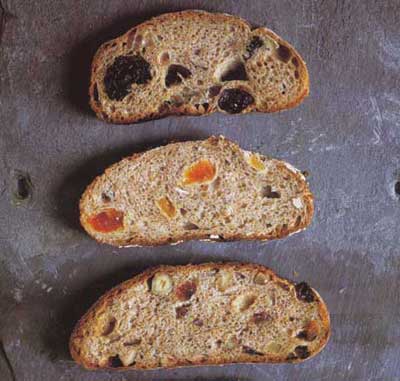
The Aroma of Fresh-Baked Bread
No one can remain totally indifferent to the pleasure of passing a bakery and encountering that delicate and slightly inebriating fragrance that soothes the soul: fresh-baked bread. Despite the olfactory lift, the quality of the bread we are offered is not always top notch and so many have returned to home baking. It true that one needs to overcome an initial resistance (one more thing to do!), but the effort is so rewarding that few return to pre-packaged loaves.
-
L’aroma del pane appena sfornato
Nessuno può rimanere del tutto indifferente al piacere che si prova passando davanti ad una panetteria che emana un profumo delicato, leggermente inebriante e inequivocabile che rasserena i pensieri: quello del pane fragrante. Tuttavia non sempre il pane che si trova generalmente in commercio è di prima qualità e oggi sono tornati in molti a fare il pane in casa. E’ necessario un piccolo gesto di coraggio per superare una certa pigrizia iniziale, e bisogna accantonare il pensiero che sia un impegno in più, tra i molti dai quali siamo tutti perseguitati ogni giorno: se si prova una volta, difficilmente si torna indietro.
-

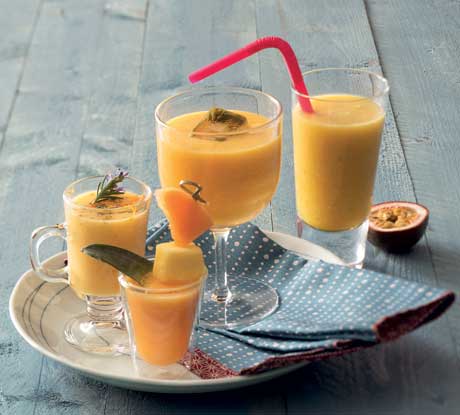
Variations on the pineapple – recipe of the week
Recipe from Non solo centrifughe, smoothies, salse, dolci ed altro ancora di Franco Luise
Photography: Francesca Moscheni -
Variazioni di ananas – ricetta della settimana
Ricetta tratta dal libro Non solo centrifughe, smoothies, salse, dolci ed altro ancora di Franco Luise
Fotografie di Francesca Moscheni -

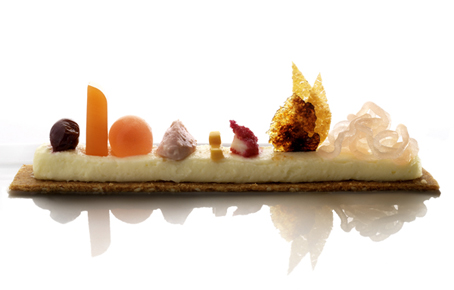
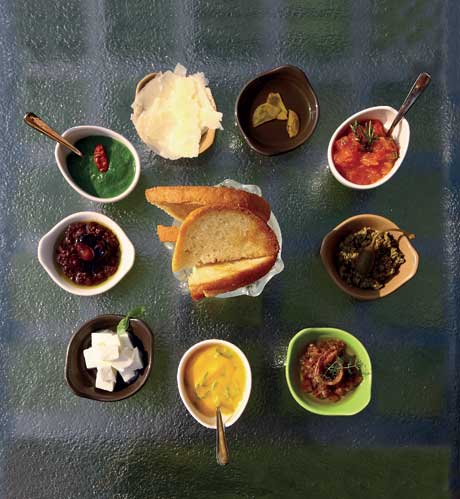
Bruschetta scomposta – ricetta della settimana
Recipe from Happy Hour by Franco Luise
Photo by Stefania SainaghiPreparation time: 1 hour
Cooking time: 10 minutes
SPEDIZIONI GRATUITE IN ITALIA PER ORDINI DI LIBRI OLTRE 39 €

- Collane
- Consigliati
- Shop libri
- Libri
- – In arrivo
- – Chef italiani
- – Chef internazionali
- – Pasticceri italiani
- – Pasticceri internazionali
- – Bevande
- – Cucina regionale italiana
- – Dizionari – lessici – codici
- – Estetica del piatto e della tavola
- – Gelateria
- – Ingredienti – Materie prime
- – Panetteria
- – Pasticceria
- – Portate
- – Ristorazione
- – Salute – Diete speciali
- – Vegetariano e vegano
- – Scienza in cucina
- – Storia – memoria
- – Tecniche (conservazione e cottura)
- – Varie
- Occasioni di risparmio
- Libri
- Novità
- Vintage
- Ispirati
- InFormati
- Occasioni
- Generale